
How Hindi dubbing is making Korean dramas more accessible to Indian viewers and what this means for audiences
Over the last few years, Korean dramas have gained massive popularity across India. What started as a niche interest has now become mainstream entertainment for audiences of all age groups. One of the biggest reasons behind this rapid growth is Hindi dubbing. By removing the language barrier, Hindi dubbing has made Korean dramas far more accessible to Indian viewers and has significantly changed the way audiences consume international content.
India is a diverse country with multiple languages, but Hindi remains one of the most widely understood languages across regions. When Korean dramas are dubbed in Hindi, they become easier to understand, more engaging, and emotionally relatable for a much larger audience. Viewers no longer need to rely on subtitles, allowing them to enjoy the story, performances, and visuals without distraction.
The Growing Demand for Hindi Dubbed Korean Dramas
Earlier, international content in India was mostly consumed through subtitles. However, not every viewer prefers reading subtitles, especially during long episodes or while watching content casually. Hindi dubbing has addressed this issue by making Korean dramas accessible to viewers who prefer listening in their native language.
As a result, Korean dramas have reached households that may not have previously explored foreign-language shows. Hindi dubbing has expanded the audience base from urban viewers to semi-urban and regional audiences, contributing to the widespread popularity of Korean storytelling in India.
Why Hindi Dubbing Works for Indian Audiences
One of the key reasons Hindi dubbing works so well is cultural relatability. Many Korean dramas focus on themes such as family values, relationships, emotional struggles, ambition, and social responsibilities. These themes closely align with Indian cultural sensibilities. When these stories are presented in Hindi, the emotional connection becomes even stronger.
Hindi dubbing also enhances convenience. Viewers can watch Korean dramas without continuously reading subtitles, making it easier to enjoy content during daily routines. This ease of consumption has played a major role in increasing watch time and viewer engagement.
The Role of Quality Dubbing in Storytelling
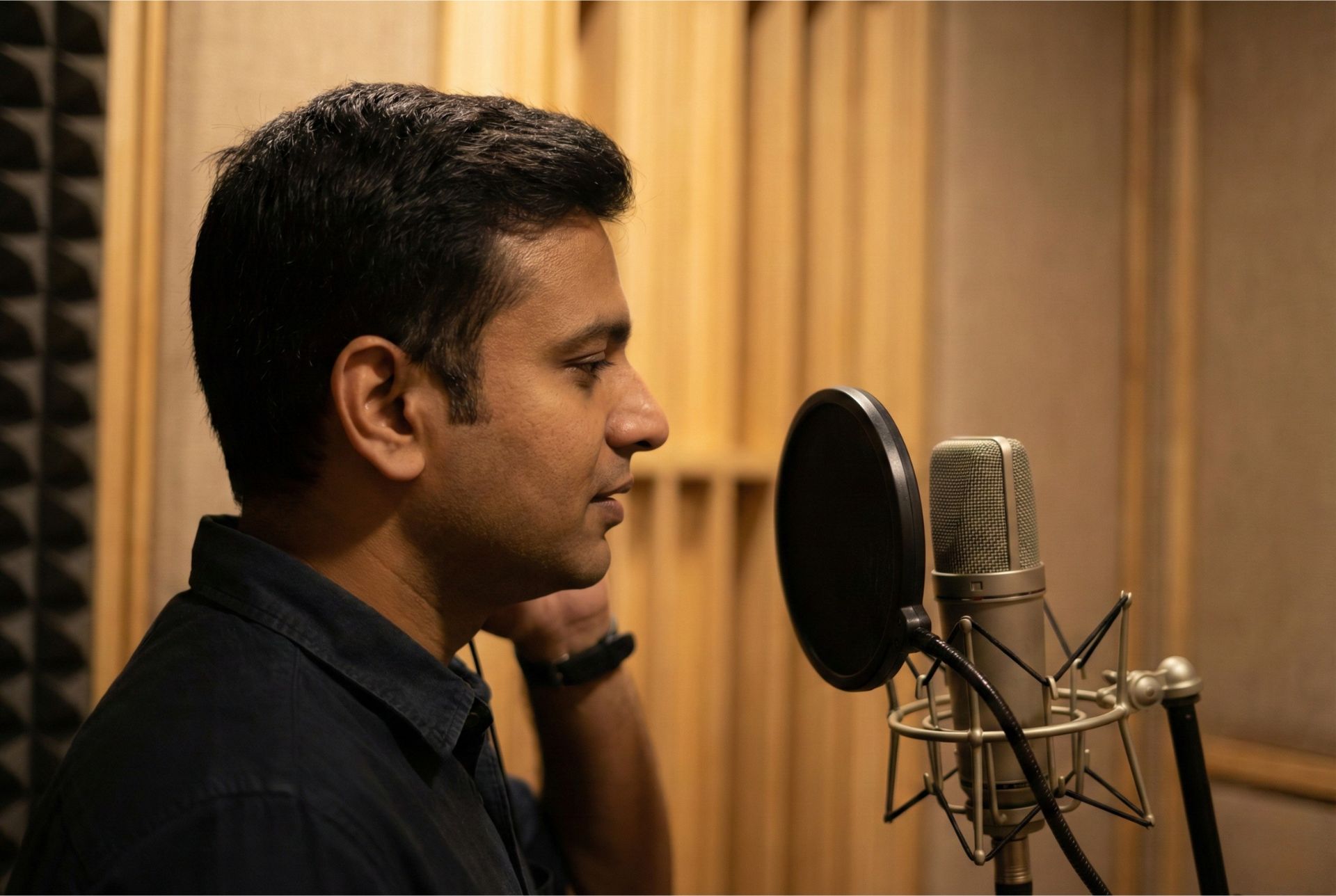
Effective dubbing goes beyond simple translation. It involves adapting dialogues in a way that preserves the original meaning, emotion, and tone. A well-executed Hindi dub ensures that the characters feel natural and believable to Indian viewers.
Voice artists must match the personality, age, and emotional depth of the characters on screen. Proper lip synchronization, accurate dialogue timing, and expressive voice delivery are essential to maintain immersion. When done correctly, dubbing allows audiences to forget that the content originated in another language.
Impact of Hindi Dubbing on Audience Engagement
Hindi dubbing has significantly improved audience engagement with Korean dramas. Viewers are more likely to complete episodes, follow long story arcs, and emotionally invest in characters when content is available in a familiar language.
This increased engagement has also encouraged audiences to explore different genres such as romance, thriller, fantasy, and drama within Korean content. Hindi dubbing has transformed Korean dramas from niche content into mainstream entertainment in India.
What This Means for the Indian Entertainment Market
The success of Hindi dubbed Korean dramas highlights the growing importance of localization in the Indian market. Audiences are increasingly open to international content, provided it is presented in a language they are comfortable with.
This shift indicates a broader trend where quality dubbing can unlock new markets and expand viewership for global content. Hindi dubbing is no longer just an additional feature but a crucial component of content distribution in India.
Conclusion
Hindi dubbing has played a vital role in making Korean dramas accessible to Indian viewers. By bridging the language gap, it has allowed audiences to experience compelling international stories in a familiar and engaging way. As demand for global content continues to grow, high-quality Hindi dubbing will remain essential in shaping the future of entertainment consumption in India.
With continuous advancements in dubbing techniques and audience expectations, the focus will increasingly shift toward creating seamless, emotionally rich, and culturally adapted audio experiences. The better the dubbing, the stronger the connection between global stories and Indian audiences.